
957401627
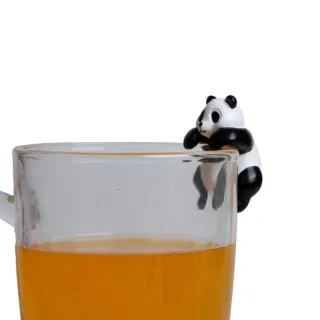
Plush & Soft Toys
The softest toys have the hardest paperwork problem. Seventh best of twenty-one on freight, twentieth on documentation.
Open prices per unit and per carton. No registration, no sales rep, minimum order total 2,000 CNY (≈ $313), no company required — you can buy as an individual. Both prices — per unit and per carton — are open before you order.
Plush is the easiest toy to love and one of the hardest to check.
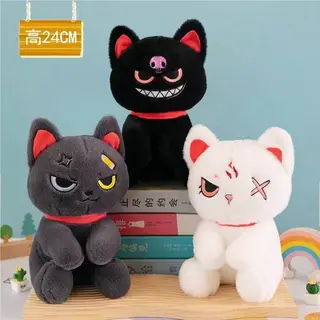
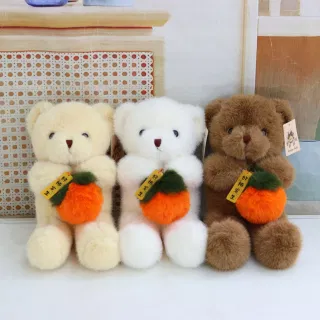
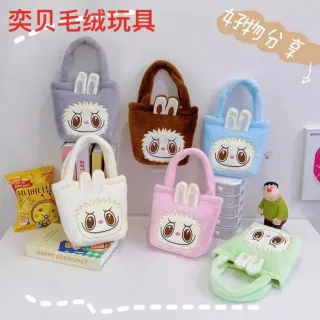
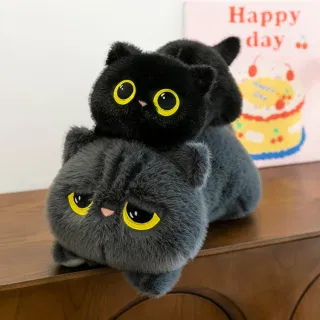
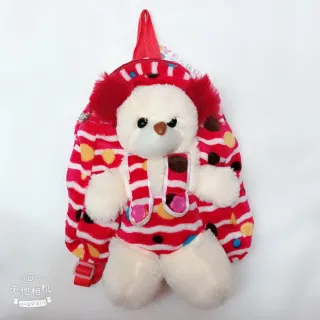
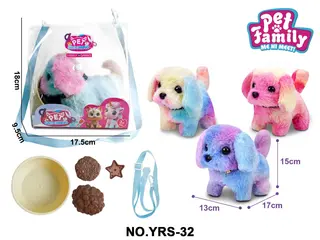
It ships beautifully. Soft goods compress, so a carton of plush carries only 3.52 kg of billed air weight per ¥100 of goods — seventh best of the twenty-one categories we measured, better than cars, better than blasters, far better than anything inflatable.
And then there is the other column. 5.9% of our 9,278 plush items carry a factory test report. That is twentieth of twenty-one. Only keychains are worse.
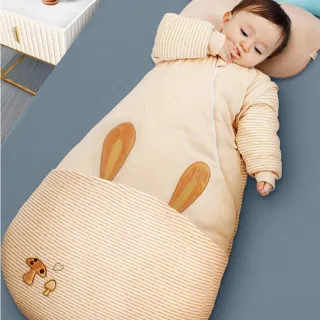
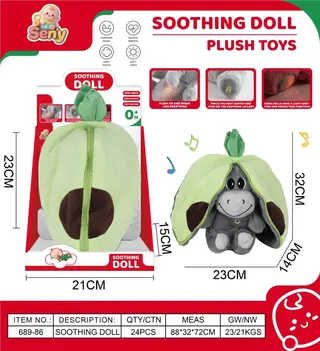
This is a toy that sleeps in a cot.
What this article answers:
Measured
We ranked all twenty-one categories twice: once by how much billed freight rides with each ¥100 of goods, once by how many items carry a factory test report. Plush is near the top of one list and near the bottom of the other.
| Category | kg billed per ¥100 | With test report |
|---|---|---|
| Bath toys | 4.54 | 28.9% |
| Rattles & teethers | 3.73 | 21.3% |
| Musical toys | 4.64 | 19.0% |
| Building sets & blocks | 3.95 | 17.2% |
| Plush & soft toys | 3.52 | 5.9% |
| Keychains & charms | 1.62 | 0.7% |
Plush is cheaper to fly than every category above it on this table and documented worse than all of them. Bath toys, which cost more to move, are tested nearly five times as often.
The reason is not mystery, it is attention. Factories test what regulators examine, and regulators examine what goes in a mouth or in a bath. A soft toy reads as harmless, so it attracts less scrutiny — which is precisely backwards, because a soft toy is the one a small child sleeps against.
The gradient
| Plush subcategory | Items | Median price | With test report |
|---|---|---|---|
| Animals & creatures | 5,791 | ¥14.49 | 8.0% |
| General plush | 2,005 | ¥11.50 | 2.9% |
| Characters & anime | 1,384 | ¥8.89 | 1.9% |
Price falls by 39% across those three rows and documentation falls by 76%. Four times fewer reports for goods a third cheaper.
And here is the part we checked before writing it. The obvious conclusion — cheap toys are undocumented toys — does not survive contact with the rest of the catalogue. We split all 385,341 items into ten price bands and counted. Only the very cheapest tenth, below ¥1.75, stands out at 6.0%; every band above it sits between 11.3% and 14.5%, with no meaningful trend. A ¥42 item is no better documented than a ¥5 one.
So the gradient is a fact about plush, not a law about price. We would have preferred the broader claim. It is not true, so we are not making it.
What to ask first
Of everything on a product card, the field that best predicts whether testing happened is not the price and not the factory. It is the age grading.
Plush graded for ages 1–3 carries a factory test report 31.1% of the time. Plush with no age stated: 4.4%. Across the whole catalogue the same pattern holds — items graded 1–3 are 38.6% documented, while items whose age field explicitly says «not specified» collapse to 2.8%.
This makes sense once you see it. Age grading is not decoration; it decides which rules apply. In the United States third-party testing obligations attach to toys intended primarily for children 12 and under. In Europe the EN71 requirements differ sharply for under-threes. A factory that has decided the age has decided the test regime. A factory that leaves the field blank has usually decided nothing.
So the first question to a plush supplier is not «how much» and not «do you have certificates». It is «what age is this graded for, and what did you test against for that age?» The answer, or the pause before it, tells you most of what you need.
Practical
Plush suits a first order better than most categories, for a reason that has nothing to do with taste. The median carton holds 96 pieces, against 36 for radio-controlled vehicles and 50 for outdoor goods. Since the minimum is one factory carton of one model, order total from 2,000 CNY, that single carton is a genuine assortment rather than a token.
The carton runs about 262 litres and 18 kg on the scale, billing as 43.7 kg by air — bulky in absolute terms, cheap relative to what is inside it. The median plush toy itself is 19 cm, measured on the 3,009 items where the toy’s own dimensions are recorded.
Mixing costs nothing: freight is charged on the consignment, so plush cartons and any other cartons travel on the same bill.
About us
OPTTOYSCHINA is a wholesale platform operated by OPTTOYSCHINA LLP, Kazakhstan: catalog, requests and product selection. The seller — invoice, payment, export, documents and claims — is our manufacturing partner Yifeng Group, China. The catalogue holds 385,341 items from 5,233 factories, with the price published per piece and per carton, the carton quantity and the box dimensions stated, and the maker named on every card. The minimum is one factory carton of one model; minimum order total 2,000 CNY (≈ $313).
Our manufacturing partner is Yifeng Group (艺丰集团) in Chenghai, Shantou. The group has worked in Chenghai since 1992; its first plant, Shifeng Culture Development Co., Ltd, dates from that year and runs more than 35,000 m² of production area with an annual output of USD 60 M. AJT Testing Services Limited, founded in 2007, is historically linked with the group’s founding family and works in the same Chenghai ecosystem; the group keeps a permanent 15,000 m² showroom in Shantou with more than 500,000 toy samples. See our factory partner page.
Every batch is checked line by line with photo and video before the cartons are taped, and transit ranges are published for 62 destinations.
Honestly
Materials. Our records carry no material field — not the fabric, not the filling, not the eye fixings. Plenty of articles will tell you confidently what Chinese plush is made of; we have 9,278 items and no data on it, so we are not joining them. For a specific product we ask the factory for the material declaration and pass on their answer, marked as theirs.
The 5.9% is documents on file, not a safety verdict. It means no test report reached our records — usually because the factory never produced one for goods it sells domestically. It is not a finding that the other 94% failed anything. The distinction matters and we would rather state it than let the number do work it cannot do.
The toy dimensions are partial. The 19 cm median comes from the 3,009 plush items where the toy’s own size is recorded, not all 9,278. The carton figures cover far more of the range.
And age grading is a claim, not a test result. It tells you the factory made a decision. It does not tell you the decision was right for your market, and for anything going to a regulated market the report itself is what counts — which is why we send it rather than summarising it.
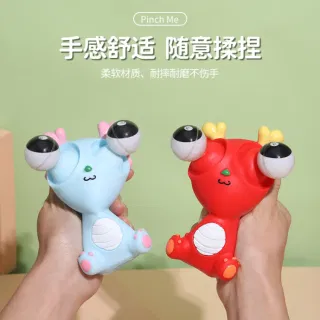
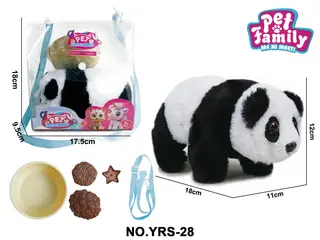
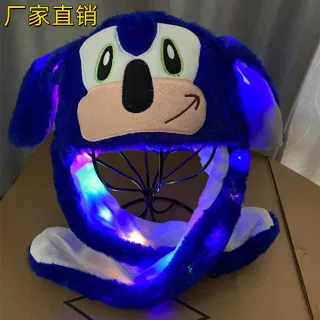
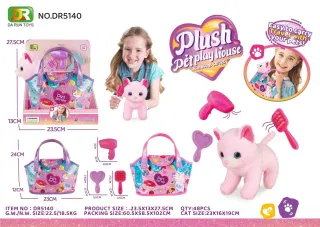



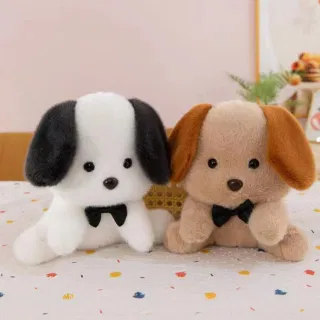


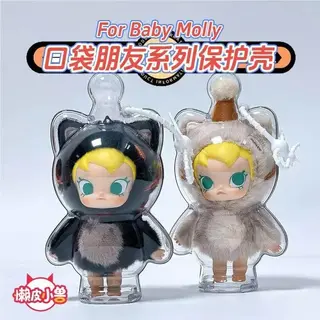

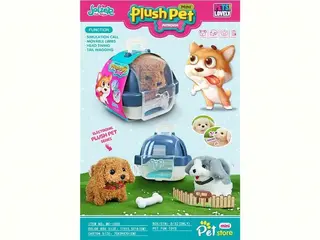
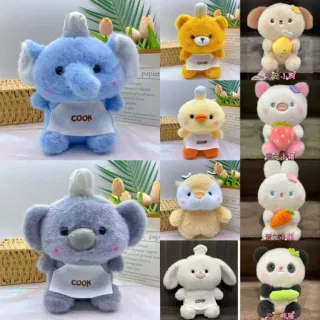




Counts are pulled live from the catalogue on every page load — not a fixed figure typed in by hand.
FAQ
More wholesale pages
Tell us what you need and we come back with a quote — contact us →