
P17728416678038263

Educational Toys
The word buys you no price premium and no freight advantage. What it predicts is paperwork.
Open prices per unit and per carton. No registration, no sales rep, minimum order total 2,000 CNY (≈ $313), no company required — you can buy as an individual. Both prices — per unit and per carton — are open before you order.
«Educational» is the most-used adjective in toy manufacturing and the least verifiable. So rather than argue about it, we measured what it actually goes with.
Our catalogue holds 7,569 items that call themselves educational, from 681 different factories. We compared them with the other 377,772 on every dimension we can measure.
Price: no premium at all — they are in fact slightly cheaper than the catalogue median. Freight: identical to three significant figures. Carton size: near enough the same.
And then one column moves, and moves a lot.
What this article answers:
Measured against 385,341 items
| Called «educational» | Whole catalogue | |
|---|---|---|
| Items | 7,569 | 385,341 |
| Factories supplying | 681 | 5,233 |
| Median price | ¥8.50 | ¥9.30 |
| Pieces per carton | 72 | 80 |
| kg billed per ¥100 | 4.42 | 4.46 |
| Age grading stated | 18.2% | 16.3% |
| With test report | 21.4% | 11.5% |
Price, carton, freight, even how often an age is stated — all within touching distance of the catalogue average. The label tells you nothing about any of them.
The last row nearly doubles.
The explanation
The connection is not that educational toys are inherently safer. It is that the word is a statement about who the toy is for.
A factory that describes a product as educational has decided it is for a child, at a particular stage, doing a particular thing. That decision is what triggers a testing regime: in the United States the third-party testing obligation attaches to toys intended primarily for children 12 and under, and in Europe the EN71 requirements differ sharply for under-threes. A factory that has thought about the child has usually had to think about the standard.
A factory that describes a product as «cute plastic figure» has decided nothing, and nothing follows.
That reading is supported by the strongest number on this page. Take the educational items that also state an age grading — 1,378 of them — and the share with a test report is 42.7%. Against 11.5% for the catalogue at large.
| Set | Items | With test report |
|---|---|---|
| Whole catalogue | 385,341 | 11.5% |
| Called «educational» | 7,569 | 21.4% |
| Educational and age graded | 1,378 | 42.7% |
Two free fields on a product card, and the odds move four-fold. That is the practical use of this article.
By category
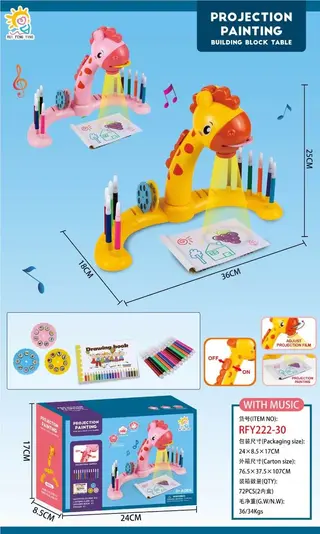
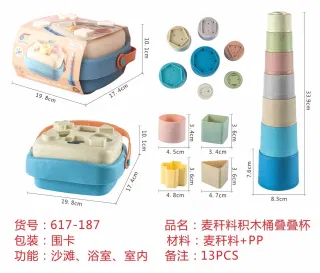
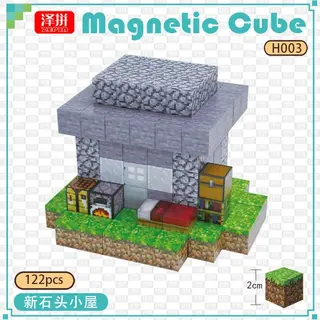
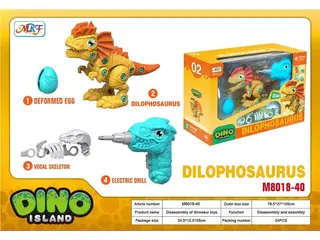
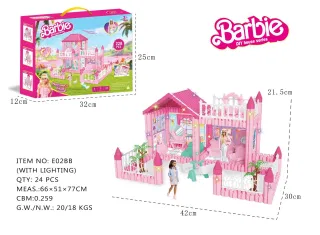
Educational is not a shelf, it is an adjective, and it turns up nearly everywhere:
| Category | Items called educational |
|---|---|
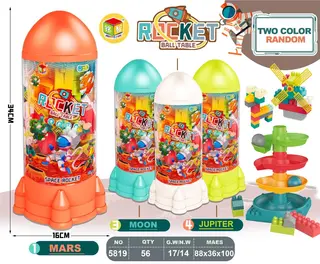
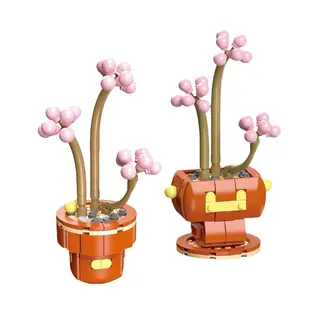
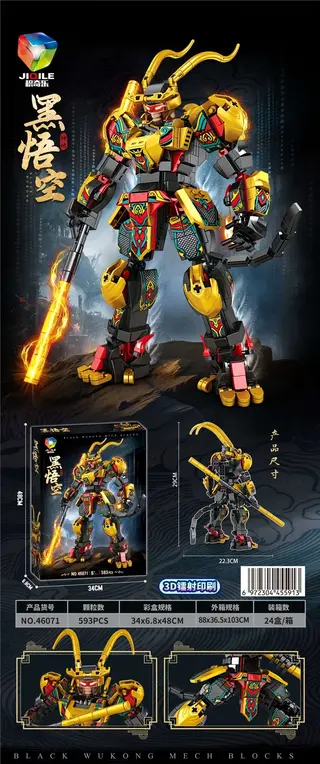
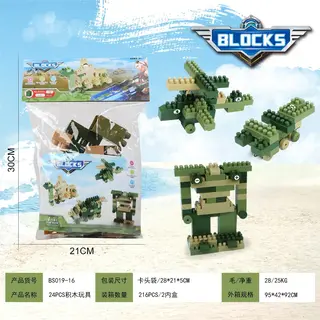
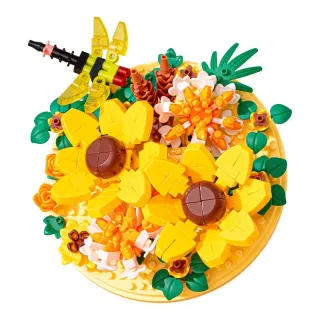
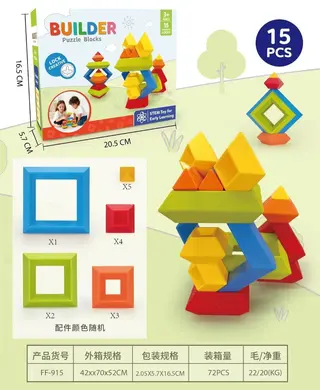
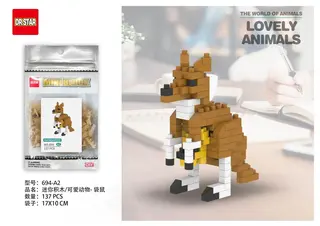
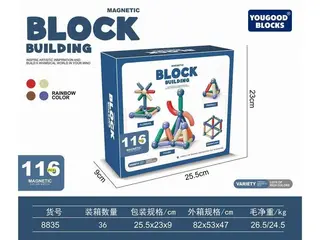
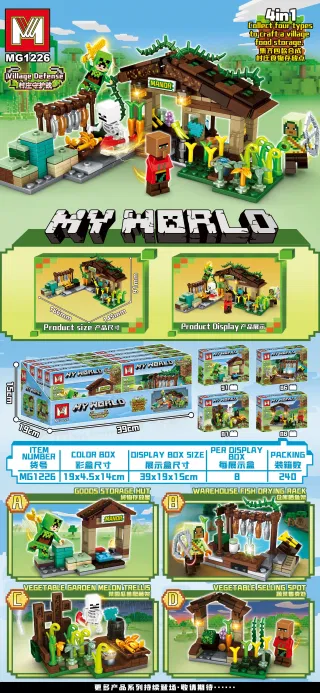
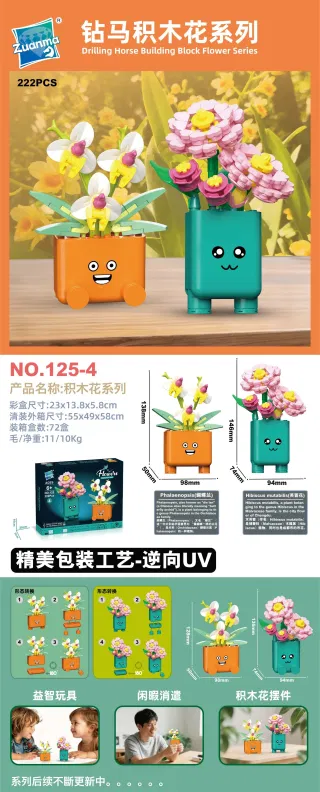
| Building sets & blocks | 3,775 |
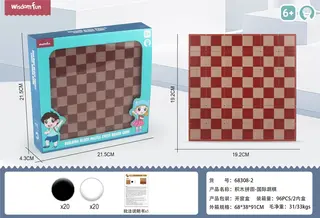
| Board games & puzzles | 1,094 |
| Educational & STEM toys | 607 |
| Fidget, squishy & gag toys | 473 |
| Arts & crafts | 297 |
| Role-play sets | 274 |
Half of them are building sets, which also explains the price: blocks are simple mouldings, not electronics, so the category that dominates the label is also one of the cheaper ones. When a word appears on 473 fidget toys, it is doing marketing work rather than describing a pedagogy — and that is exactly why we measured it against something checkable instead of arguing about it.
About us
OPTTOYSCHINA is a wholesale platform operated by OPTTOYSCHINA LLP, Kazakhstan: catalog, requests and product selection. The seller — invoice, payment, export, documents and claims — is our manufacturing partner Yifeng Group, China. The catalogue holds 385,341 items from 5,233 factories, with the price published per piece and per carton, the carton quantity and the box dimensions stated, and the maker named on every card. The minimum is one factory carton of one model; minimum order total 2,000 CNY (≈ $313).
Our manufacturing partner is Yifeng Group (艺丰集团) in Chenghai, Shantou. The group has worked in Chenghai since 1992; its first plant, Shifeng Culture Development Co., Ltd, dates from that year and runs more than 35,000 m² of production area with an annual output of USD 60 M. AJT Testing Services Limited, founded in 2007, is historically linked with the group’s founding family and works in the same Chenghai ecosystem; the group keeps a permanent 15,000 m² showroom in Shantou with more than 500,000 toy samples. See our factory partner page.
Every batch is checked line by line with photo and video before the cartons are taped, and transit ranges are published for 62 destinations.
Honestly
Not that these toys are better for a child. Nothing on this page supports that and we are not going to imply it. We measured what a word on a listing goes with in our own data. Whether a building set aids development is a question for people who study children, and dressing a correlation with paperwork as a developmental benefit would be a lie with a number attached.
The label is self-applied. No one audits a factory’s use of the word «educational» or «Montessori». A product is in this count because its own listing says so, which is precisely the thing worth testing rather than trusting.
And correlation is not the whole story. Half of the educational set is building sets; if building sets are tested more often for reasons of their own, some of the effect belongs to the category rather than the word. We have not separated the two, and we would rather say that than present 21.4% as a cleaner finding than it is.
The test report count means documents on file, not a safety verdict, and our records carry an issue date with no expiry — which is why we write «test certificate on file from the factory» and never «valid certificate».






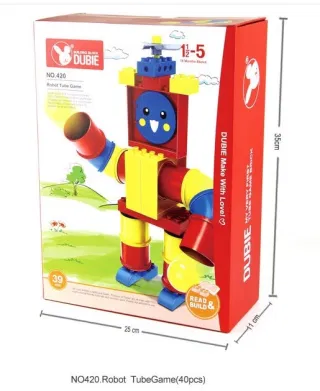
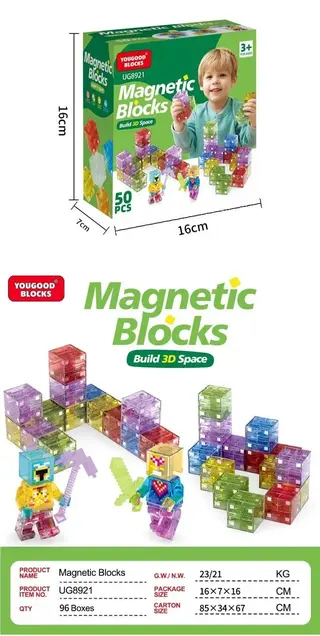
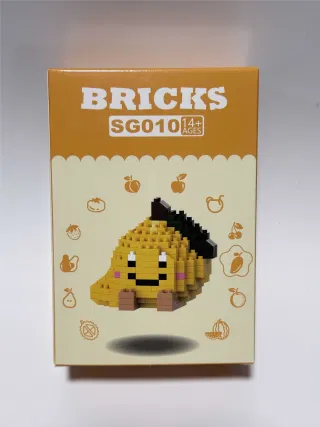


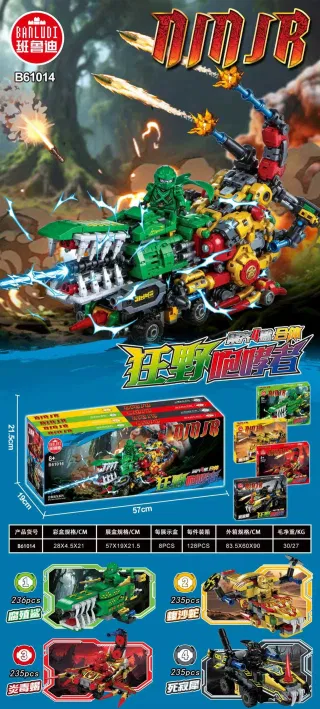
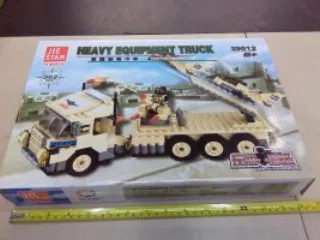
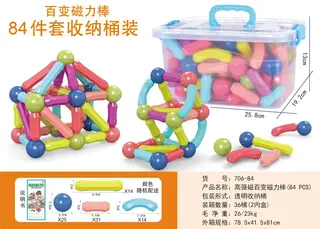
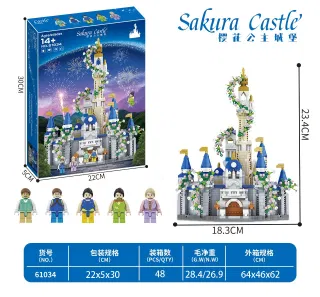





Counts are pulled live from the catalogue on every page load — not a fixed figure typed in by hand.
FAQ
More wholesale pages
Tell us what you need and we come back with a quote — contact us →